
In examining the past information entry of the Rabbit Road game archives in the UK, we discover significant insights into the game’s development https://rabbitsroadcasino.com. These archives provide a extensive repository of cultural and design narratives, reflecting player engagements over time. By analyzing the diverse resources available, we can better understand the game’s continuing legacy and its influence on modern gaming culture. What might these findings reveal about our shared gaming history?
Key Insights
- The UK Game Archives offer crucial past data on games like Rabbit Road, supporting research in storytelling and gameplay mechanics.
- Accessing the archives often necessitates knowledge of available types and potential barriers to reveal pertinent historical insights.
- A clearly structured study plan enhances the effectiveness of data collection from Rabbit Road’s historical content in the archives.
- Cooperation with other researchers can deepen understanding of Rabbit Road’s influence within the wider framework of gaming history.
- Remote access to archives and emerging technologies facilitate the exploration of Rabbit Road’s development and societal significance.
The Origins of Rabbit Road
The roots of Rabbit Road can be traced back to the late 20th century, a time when game development began to incorporate narrative complexity and engaging worlds. As we explore the thematic foundations of the game, we should not ignore the profound rabbit symbolism embedded in its fabric. In multiple cultures, rabbits often symbolize fertility, alteration, and agility, echoing the lively gameplay and evolving story arcs that characterize Rabbit Road. This cultural importance becomes a lens through which we can better understand character motivations and plot development. By including rabbit symbolism, Rabbit Road invites players to engage with the narrative on a more profound level, shaping a distinctive experience that echoes across different backgrounds and fosters thoughtful assessment of its complex world.
Development of Game Design
As we investigate the progression of game design, we can see how early game mechanics established the basis for more complex experiences. Technological innovations have not only extended the limits of what’s possible but also shaped how narratives are effortlessly incorporated into gameplay. By analyzing these advancements, we acquire knowledge into the dynamic interplay between mechanics, technology, and storytelling in games.
Primitive Game Mechanics
While exploring the evolution of game design, we must not overlook the influence of early game mechanics that laid the foundational principles for modern titles. These early game experiences focused on simplicity and accessibility, utilizing fundamental human psychology. Through our mechanics analysis, we observe that games often emphasized clear goals, acknowledging players for mastery of tasks. Elements like point accumulation and turn-taking arose, establishing a structure for competition and collaboration. This interaction helped developers improve their understanding of player engagement, leading to improvements in narrative and structure. As we reflect on these initial innovations, it’s evident they not only shaped gameplay but also paved the way for the complexities we now experience in contemporary gaming experiences.
Technological Advancements Impact
With the accelerated pace of technological advancements, we’ve observed a profound alteration in game design, reshaping not just how games are played but also how they are created. Game technology has advanced dramatically, enabling developers to experiment with intricate graphics, immersive environments, and complex physics. These innovations nurture unique gameplay experiences that were once unimaginable. Additionally, the rise of digital preservation techniques secures classic games, ensuring that their legacies endure amid constant change. This commitment to conserving our gaming heritage permits us to reflect on the past while embracing the future. Ultimately, as technology continues to advance, we’re made aware that good design not only uses these tools but also conforms to the ever-changing environment, improving the industry’s fabric.
Narrative Integration Strategies
The advancements in tech have paved the way for more advanced story integration approaches in game design. Today, we often see video games merging narratives effortlessly with interactive elements, boosting story immersion. By leveraging user-driven decisions and branching storylines, creators can maintain high levels of gamer involvement throughout the gameplay experience. These strategies encourage players to explore narratives deeply, fostering a sense of investment in persona growth and plot advancement.
Furthermore, the incorporation of dynamic dialogue systems enables video games to adapt to player choices, strengthening immersion through meaningful engagements. As we anticipate the coming years, it’s crucial to persist in enhancing these approaches, making sure that stories connect profoundly with players while making every choice significant within the game’s world.
Notable Player Statistics
As we investigate notable player statistics, it is crucial to recognize how these figures not only indicate personal achievements but also affect group interactions and tactics. By analyzing player records, we reveal significant understandings into past achievements and their effect on match records.
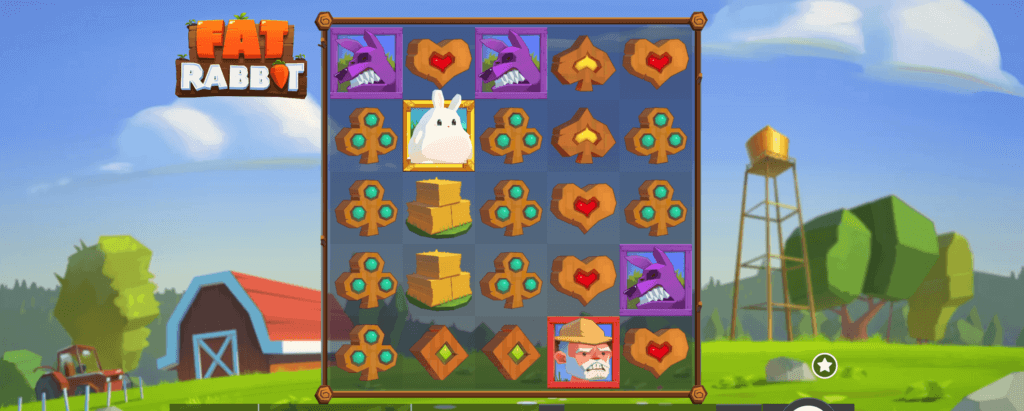
Consider these essential statistics that stand out:
- Scoring Average
- Assists and Playmaking
- Defensive Contributions
These measures act as a basis for comprehending how personal skill shapes the collective endeavor in rival settings.
Winning Strategies Through the Years
Analyzing player statistics not only enhances our comprehension of personal roles but also illuminates wider winning tactics that have developed in the game. Over the years, we’ve observed how winning tactics have progressed, often influenced by shifts in player mindset. Initially, the emphasis was on raw skill and strategy, but as the game advanced, we learned that enhancing team interactions and communication greatly impacts outcomes. Today’s winning teams combine statistical perspectives to shape their tactics, adapting to opponents’ vulnerabilities while developing a psychological advantage. By understanding these elements, we can refine our approaches and remain competitive in the ever-changing environment of competitive play. This fusion of data analysis and psychological perspectives leads us to continually improve our winning tactics.

Nostalgia and Its Impact on Gaming Culture
As we explore nostalgia’s role in gaming culture, we observe how our shared memories influence the industry today. Retro impact on design has created a rich fabric where past and present merge, recalling us of easier times while fueling innovation. By understanding this link, we can better value how memories influence the decisions we make as gamers and creators alike.
Memory’s Role in Gaming
While many might consider gaming a purely modern phenomenon, it’s the nostalgic memories associated with classic titles that influence our contemporary gaming culture. Our collective experiences connect us to certain games, impacting memory preservation and cognitive engagement. Here are three ways this nostalgia affects us:
- Emotional Connections
In this way, recollection plays a vital role in forming our gaming journeys.
Retro Influence on Design
Nostalgia greatly influences not only our recollections of gaming but also the design elements of modern titles. As we investigate retro aesthetics, it’s evident that they impact contemporary game design principles. Game developers often take inspiration from the pixelated graphics and chiptune music of the past, creating a link between old and new. This mixing evokes fond memories, making us to feel linked to earlier gaming experiences. We see how color palettes, streamlined mechanics, and 8-bit sounds foster a feeling of nostalgia, welcoming players into familiar territories. By understanding these influences, we can appreciate how retro elements are not simple gimmicks; they’re essential to crafting engaging experiences that connect with a broad audience. Retro design impacts our gaming culture, enriching it with complex meanings.
Accessing the Archives for Research and Exploration
Although researchers and enthusiasts alike often pursue the abundant history contained within the UK Game Archives, reaching these materials can sometimes seem daunting. To simplify our investigation, we should concentrate on:
- Archive Accessibility
- Research Methodologies
Frequently Asked Questions
How Can I Submit My Own Rabbit Road Game Memories?
To submit one’s rabbit road game memories, you can share one’s experiences through chosen platforms, ensuring your reflections are documented for others. Memory submission supports community and enhances the collective understanding of the game’s impact.
Are There Any Planned Future Events Related to Rabbit Road?
We are anticipating planned future events related to Rabbit Road, highlighting future expansions and community collaborations. Participating with fellow enthusiasts will improve your experiences and broaden one’s understanding of this beloved game’s evolving scenery.
Who Were the Primary Developers Behind Rabbit Road?
There have examined the primary developers of Rabbit Road, showcasing their creative game mechanics. Their insights into development demonstrated a strong commitment to engaging gameplay, leaving a lasting impact on both players and the gaming community.
Are There Any Online Forums for Rabbit Road Enthusiasts?
Yes, one can find several online forums centered around the Rabbit Road community. These spaces provide invaluable views into game strategy, where you can discuss tactics, share tips, and connect with fellow enthusiasts.
What Are the Most Collectible Rabbit Road Merchandise Items?
We’ve noticed that rare collectibles, like vintage game pieces and promotional items, hold significant merchandise value among enthusiasts. Studying market trends can help you identify which items are most sought after in the collector community.